Hyperpigmentation Explained: A UK Clinic Guide To Causes, Types, And Professional Treatment Options
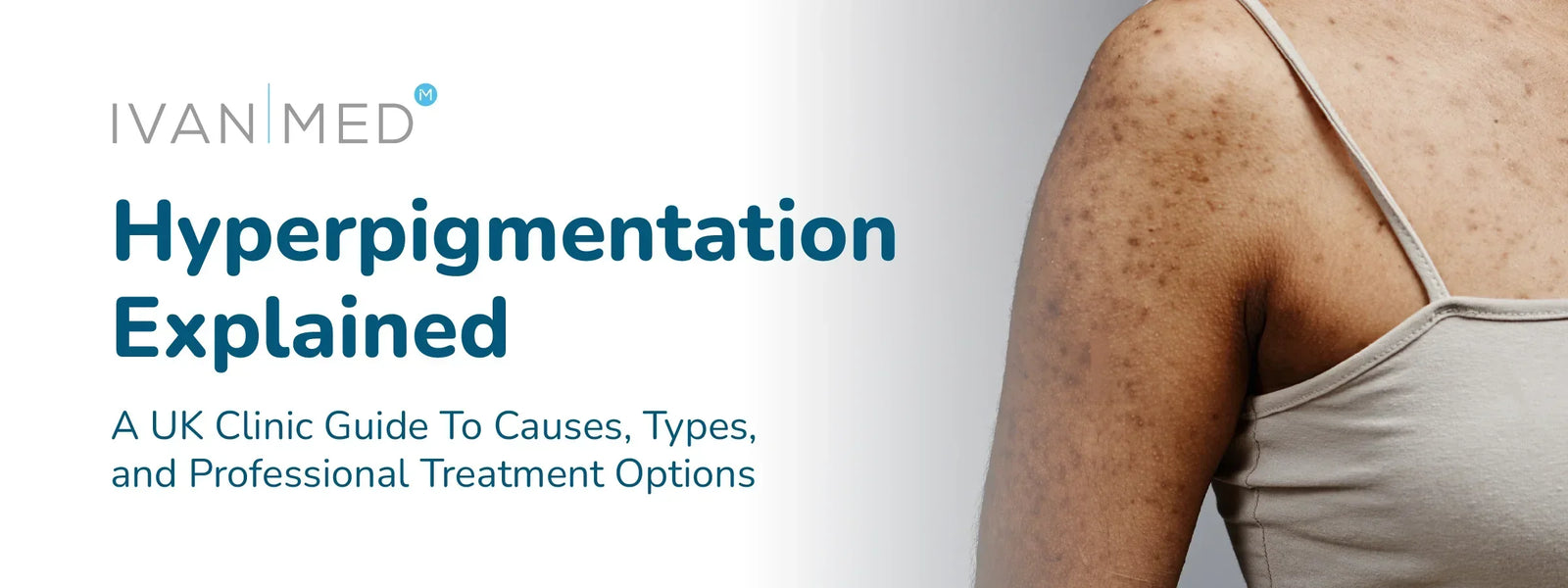

Hyperpigmentation is an umbrella term for dark patches, dark spots, and uneven skin tone caused by increased melanin production or uneven melanin distribution. In a UK clinic setting, the most important step is not choosing a device or product first. It is identifying the pigmentation type, understanding the triggers, and matching the treatment pathway to the patient’s risk profile, lifestyle, and likely compliance.
This guide breaks down the main causes of hyperpigmentation, the most common types seen in UK aesthetic and skin clinics, and the professional treatment options typically used to manage them. It also clarifies where CryoPen may be appropriate, particularly for discrete benign pigmented lesions, and where other pathways are usually more suitable.
What Is Hyperpigmentation?
Hyperpigmentation occurs when pigment producing cells (melanocytes) produce extra melanin, or melanin is deposited unevenly in the skin. The result can be:
-
A single spot (for example, a sun spot)
-
A patch (for example, melasma on the cheeks)
-
Diffuse uneven tone across a larger area (for example, sun induced dullness)
Clinically, two factors matter most:
-
Pattern: Is it focal (single or scattered spots) or diffuse (patchy or overall tone)?
-
Depth: Is the pigment mostly in the epidermis (more responsive) or deeper in the dermis (often more stubborn and slower to improve)?
Patients may describe everything as “pigmentation”, but your treatment planning should be far more specific.
What Causes Hyperpigmentation?
Hyperpigmentation rarely has a single cause. It is usually a combination of triggers that stimulate melanocytes or create inflammation.
Common Triggers In The UK Clinic Setting
-
UV exposure and cumulative sun damage
Even in the UK, incidental exposure adds up. Holidays, outdoor work, and “it’s cloudy so I skipped SPF” are common factors. -
Visible light and heat exposure
Heat can worsen some pigment conditions, especially melasma. Lifestyle matters. -
Hormonal influences
Pregnancy, contraceptives, and HRT can contribute to melasma and recurrence. -
Inflammation and skin injury
Acne, eczema, dermatitis, waxing, shaving, aggressive exfoliation, and prior procedures can trigger post inflammatory hyperpigmentation. -
Irritating skincare routines
Overuse of strong acids, retinoids, scrubs, or fragranced products can impair the barrier and keep inflammation active. -
Certain medications
Some medications increase photosensitivity or change pigment activity. A medication history is essential. -
Genetics and skin type
Some patients pigment more easily. Higher Fitzpatrick skin types often have a greater risk of PIH following inflammation.
Why Pigmentation Often Returns
If the trigger remains, pigment often returns. This is why many pigmentation plans need:
-
Ongoing SPF and prevention
-
Maintenance skincare
-
Conservative progression of in clinic treatments
-
Seasonal planning and realistic expectation setting
The Main Types Of Hyperpigmentation Clinics See
Correct classification improves outcomes and reduces complaints. Use history, distribution, and triggers to guide your working diagnosis.
1) Sun Spots And Age Spots (Lentigines)

How They Present
-
Discrete, well defined brown spots
-
Common on face, hands, chest, shoulders
-
Often appear after years of cumulative UV exposure
Treatment Reality
Lentigines are typically more responsive than diffuse pigment because they are focal. However, results depend on skin type, lesion characteristics, and aftercare.
Common Professional Options
-
Targeted modalities for focal pigment
-
Structured home care with strict SPF to reduce recurrence and protect surrounding skin
Where CryoPen May Fit
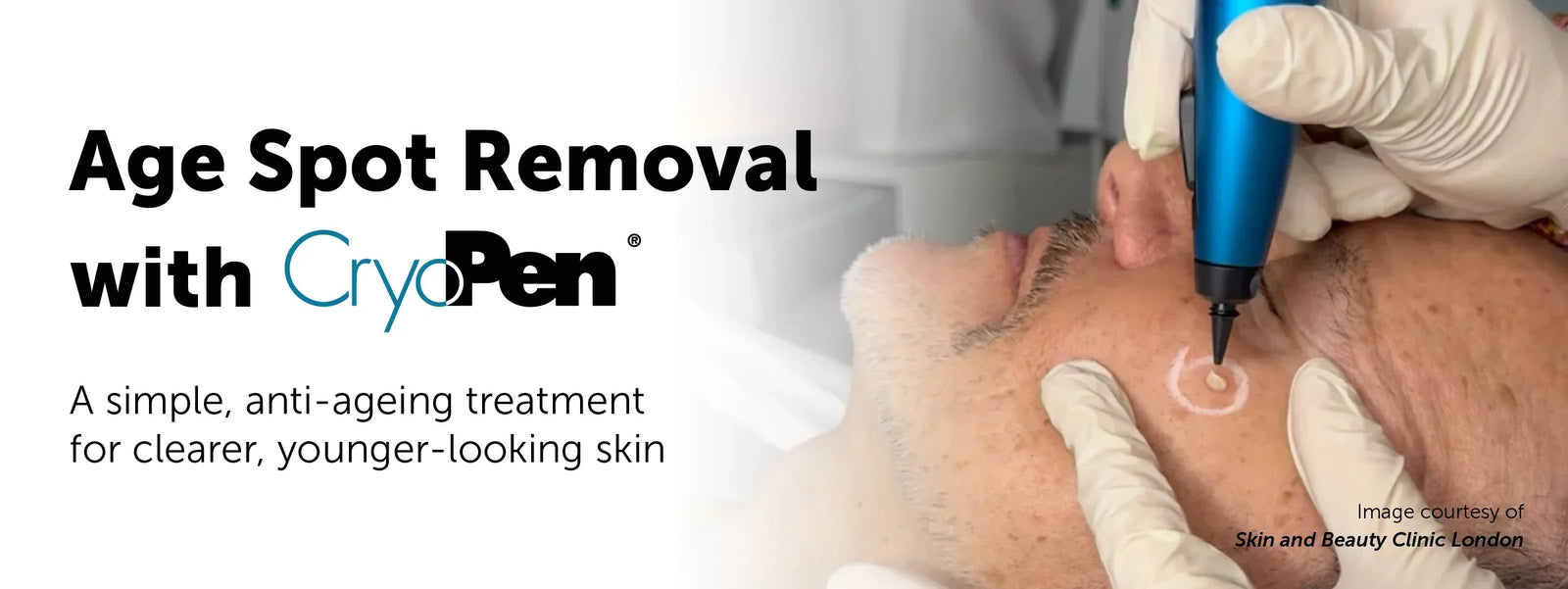
CryoPen is commonly positioned for the treatment of benign lesions and may be used in professional settings for discrete benign pigmented lesions such as solar lentigines, subject to appropriate assessment, clinical judgement, and scope of practice. It is not positioned as a treatment for broad pigmentation patterns like melasma or general uneven tone.
2) Freckles (Ephelides)

How They Present
-
Small, scattered spots that deepen with sun exposure
-
Often fade slightly in winter
-
More common in lighter skin types, but can appear across a range
Treatment Reality
Freckles are often seasonal and sun responsive. Patients may want them removed, but clinics should frame the conversation around prevention and realistic expectations.
Common Professional Options
-
Prevention first: daily SPF and protective behaviours
-
Selective use of professional options depending on risk profile and desired outcome
3) Melasma

How It Presents
-
Larger, patchy pigmentation
-
Often symmetrical across cheeks, forehead, upper lip, or jawline
-
Frequently linked to hormones, UV, heat, and inflammation
-
Can be mixed depth and prone to relapse
Treatment Reality
Melasma is a long term management condition for many patients. The goal is control and stability, not a one off “removal”.
Safer Clinic Positioning
-
Set expectations early: recurrence is common if triggers persist
-
Prioritise prevention, barrier stability, and gentle progression
-
Avoid overly aggressive protocols that risk inflammation and rebound pigment
Common Professional Options
-
Structured home care programme with strict photoprotection
-
Conservative in clinic treatments staged over time based on skin type and response
4) Post Inflammatory Hyperpigmentation (PIH)

How It Presents
-
Dark marks left after inflammation or injury
-
Common causes: acne, eczema, dermatitis, ingrown hairs, friction, picking, harsh treatments
-
Higher risk in patients with a history of marking or higher Fitzpatrick skin types
Treatment Reality
PIH is as much about inflammation control as pigment control. If the skin barrier remains impaired, PIH can worsen even with “pigmentation” treatments.
Common Professional Options
-
Barrier first skincare strategy
-
Conservative professional treatments that minimise irritation
-
Review intervals that allow the skin to settle and respond
Key Clinic Warning
If you treat PIH aggressively, you can create more PIH. Protocol restraint often produces better results than intensity.
5) Diffuse Uneven Tone

How It Presents
-
Generalised unevenness rather than distinct spots
-
Often combined with texture, dehydration, dullness, and early photo ageing
Treatment Reality
Diffuse tone usually improves with consistency and layered care. Patients may need a multi session plan and ongoing prevention.
Common Professional Options
-
Home care programme focused on brightening, barrier function, and antioxidants
-
In clinic treatments delivered in phases, chosen based on skin type and risk profile
Professional Hyperpigmentation Treatment Options In UK Clinics
A strong pigmentation service is not a single modality. It is a system: assessment, consent, staged treatment, aftercare, and prevention.
Option 1: Professional Grade Topical Programmes
Common Uses
-
Melasma management and maintenance
-
PIH support once inflammation is controlled
-
Diffuse tone improvement
-
Pre and post procedure preparation and stabilisation
What Makes Or Breaks Results
-
Consistency
-
Tolerance and barrier support
-
Strict daily SPF
-
Trigger management
Clinics should educate patients that pigment pathways are slow. Improvements are usually measured over weeks and months, not days.
Option 2: Professional Chemical Peels
Common Uses
-
Superficial epidermal pigmentation
-
Diffuse tone
-
Select PIH presentations when appropriate
Clinical Considerations
-
Choose peel type and strength based on skin type and PIH risk
-
Avoid stacking irritation (for example, strong home acids plus a peel plus retinoids)
-
Build a staged plan rather than chasing rapid change
Over peels and too frequent peels are a common reason pigment rebounds.
Option 3: Microneedling (When Used Appropriately)
Common Uses
-
Mixed concerns: pigment plus texture or mild scarring
-
Patients seeking a progressive plan with clear milestones
Clinical Considerations
-
Protocol design should prioritise safety and controlled inflammation
-
Avoid treating active inflammatory acne aggressively
-
Ensure strong aftercare and SPF compliance
Microneedling is not a universal solution for pigment, but it can be useful within a wider plan for selected patients.
Option 4: Light Based And Laser Treatments
Common Uses
-
Discrete focal pigment such as lentigines in selected patients
-
Sun damage patterns when clinically appropriate
Clinical Considerations
-
Patient selection is critical, especially for darker skin tones
-
Heat can worsen melasma in some patients
-
Pre treatment and aftercare plans are essential to reduce PIH risk
Clinics should have clear escalation rules and a conservative approach for high risk patients.
Option 5: Cryotherapy For Discrete Benign Pigmented Lesions
Common Uses
-
Benign focal lesions, including certain discrete pigmented lesions such as solar lentigines, depending on assessment and suitability
Where CryoPen Sits
CryoPen is a professional cryotherapy device used to deliver a targeted cold jet for benign lesion work. In the context of pigmentation, it is typically discussed for discrete lesion style pigmentation rather than diffuse patchy conditions.
Risk Framing For Consent
Any lesion removal approach that impacts pigment cells can lead to pigment change. Set expectations clearly around:
-
Healing time variability
-
Temporary redness and crusting
-
Possibility of post treatment hypo or hyperpigmentation
-
Higher pigment change risk considerations in darker skin tones
A cautious approach and patient selection protect outcomes and reputation.
Recommended Professional Products And Protocol Bundles
If you want to turn your hyperpigmentation consultations into a clear, repeatable treatment pathway, it helps to anchor each option to a defined protocol and a consistent homecare plan. Below are Ivanmed product recommendations that match the professional options discussed in this guide, so you can confidently align the right solution to the right pigmentation presentation.
Option 1: Professional Grade Topical Programmes

Elements Brightening Therapy (Protocol Bundle)
This is a clinic protocol designed to support discolouration and hyperpigmentation by combining high concentration brightening ingredients and antioxidants with a structured exfoliation and skin stimulating system. It is best positioned for patients who need a progressive, prevention led approach, and for clinics that want a complete in clinic workflow supported by matching retail style products.
What it is designed for:
-
Hyperpigmentation, dullness, and uneven skin tone
-
Patients who need gradual brightening with an emphasis on consistency and skin support
What is included in the bundle:
-
Sensitive Cleansing Gel (520ml)
-
Cleansing Tonic Lotion (520ml)
-
AHA Smoothing Cream (280ml)
-
Exfoliating Enzyme Mask (100g)
-
Exfoliating Enzyme Lotion (520ml)
-
Glow Peeling (10ml)
-
Glow C 12% (10ml)
-
Folic Acid (B9) Serum (55ml)
-
White Argile Mask (280ml)
-
Eye Shine Mask (150ml)
-
Brightening Serum (55ml)
-
Brightening Cream (150ml)
-
Face Fluid SPF50 (150ml)
Key active ingredient themes within the protocol:
-
Vitamin C (L Ascorbic Acid), A Arbutin, and multiple botanical and antioxidant components
-
Brightening and tone support ingredients such as licorice, phytic acid, and clay based cleansing support
Important note to include in your clinic workflow:
-
The product page lists a contraindication for herpes zoster, so your consultation and medical history checks should capture this.
Recommended for:
-
Diffuse uneven tone, sun induced dullness, and pigment prone skin that needs a structured plan
-
Clinics that want a comprehensive protocol that integrates treatment steps plus SPF to protect outcomes
Option 2: Professional Chemical Peels

AMESON Bright Skin Therapy (Protocol Bundle)
This is positioned as a chemical peel based treatment to support uneven colour tone and dull skin using a combined peel plus brightening action approach. It works well as a clinic option when you want a defined peeling protocol supported by calming and SPF steps.
What it is designed for:
-
Uneven colour tone and dull skin
-
Patients suitable for a peel based pathway, with strong aftercare and SPF compliance
What is included in the bundle:
-
Sensitive Cleansing Gel (520ml)
-
Pro Peel Lotion (200ml)
-
Post Peel Lotion (200ml)
-
Bright Skin (50ml)
-
Bio cellulose Masks (1 box of 6 masks)
-
Calming Bliss (150ml)
-
Face Fluid SPF50 (150ml)
Clinic positioning tip:
-
Use this option for patients with more superficial, epidermal pigment patterns where controlled peeling can help, and ensure you screen carefully for sensitivity and PIH risk.
Option 3: Microneedling

AMESON Brightening Therapy (Protocol Bundle)
This bundle is explicitly positioned as a combined protocol involving both a chemical peel and microneedling, making it suitable for clinics offering a staged, professional pathway where texture and tone often sit together. It is designed for dyschromia and restoring a more uniform tone using brightening actives and peptides.
What it is designed for:
-
Uneven skin tone, hyperpigmentation, age spots, dull skin, and melasma presentations where a conservative, structured plan is appropriate
-
Clinics that want a combined peel plus microneedling protocol within one workflow
What is included in the bundle:
-
Sensitive Cleansing Gel (520ml)
-
Pro Peel Lotion (200ml)
-
Post Peel Lotion (200ml)
-
Mandelic Acid 40% (50ml)
-
Brightening (1 box of 5 vials)
-
Bio cellulose Masks (1 box of 6 masks)
-
Calming Bliss (150ml)
-
Face Fluid SPF50 (150ml)
Why clinics choose this style of bundle:
-
Mandelic acid is commonly used in professional settings when a peel step is desired with a considered approach
-
The protocol includes supportive mask and calming steps, which aligns with the risk management approach required for pigmentation work
Option 4: Aftercare And Prevention That Protects Results
Pigmentation outcomes are protected or lost in the weeks after treatment. If you want fewer rebounds, fewer complaints, and better before and afters, build a simple, repeatable homecare routine that supports the barrier, reduces avoidable irritation, and prioritises high protection SPF daily.

Cleanser: Sensitive Cleansing Gel
A gentle cleansing gel formulated for sensitive skin and the eye area, designed to remove dirt and make up while supporting skin protection from environmental stressors.

Toner: AHA Preparation Lotion
A face lotion with AHA designed to support skin pH balance and enhance the efficacy of cosmetic products. It is positioned as suitable for all skin types and is listed for pigmentation and dry skin concerns.

Serum: Retinoid C Serum
A repairing antioxidant serum positioned for concerns including pigmentation, dark spots, roughness and uneven tone, with a focus on improving luminosity and protecting against oxidative stress.

Cream: Brightening Cream
A moisturising brightening cream positioned for pigmentation problems and spots, supporting a more even tone and glow. It also includes sunscreen filters listed as SPF10.

Eye Cream: Opsis Eye Cream
A targeted eye area cream positioned to moisturise and support the appearance of wrinkles, puffiness and dark circles, with a peptide delivery technology focus.

Mask: White Argile Mask
A cleansing facial mask with white clay positioned for discolouration concerns, helping remove excess sebum and support brighter looking skin tone and glow. It is also listed for sensitive, oily, and acne prone skin types.

SPF: Face Fluid SPF50 Or Face Fluid Tinted SPF50
For pigmentation prone patients, daily high protection SPF is non negotiable. These are positioned as high protection, lightweight, non oily sunscreen fluids offering broad spectrum protection including UVA and UVB, with additional protection claims against visible light and blue light. The tinted option provides the same style of high protection in a light tinted finish and is water resistant.
Clinic implementation tip:
Use the same aftercare routine across your pigmentation pathways, then adjust only where needed (for example, post peel sensitivity or post microneedling recovery). This keeps patient instructions simple and improves compliance, which is often the biggest limiter in pigmentation outcomes.
A Simple Clinic Decision Checklist
Use this as a practical pre treatment filter during consultation.
Step 1: Identify The Pattern
-
Is it a discrete spot, multiple spots, patchy areas, or diffuse tone?
Step 2: Check Triggers And History
-
Hormones, heat exposure, UV history
-
Recent acne flare, eczema, dermatitis, or skin injury
-
Prior reactions to peels, lasers, or strong skincare
Step 3: Risk Grade The Patient
-
Fitzpatrick type and history of PIH
-
Current tanning or recent holiday
-
Barrier integrity and sensitivity
-
Ability to comply with SPF and aftercare
Step 4: Match The Modality To The Diagnosis
-
Lentigines: targeted focal options may be appropriate
-
Melasma: conservative, maintenance led approach
-
PIH: inflammation control first, then gradual pigment work
-
Diffuse tone: staged plan combining home care and clinic support
Step 5: Document And Educate
-
Consent including pigment change risks
-
Aftercare plan and review timings
-
Prevention plan and trigger management
Aftercare And Prevention That Protect Results
Aftercare is not an extra. It is part of the treatment.
Non Negotiables For Pigment Control
-
Daily broad spectrum SPF with correct application
-
Reapplication when outdoors, driving, or near windows
-
Avoid picking, scrubbing, or friction on healing skin
-
Gentle skincare that supports barrier repair
-
Trigger management such as heat exposure and sun behaviour
If the patient is not willing to wear SPF consistently, be honest about what is achievable.
When To Refer Rather Than Treat
Pigmentation should never be treated without appropriate assessment. Refer to a GP or dermatologist if:
-
A lesion is changing, bleeding, irregular, or symptomatic
-
The diagnosis is uncertain
-
There is a personal history of skin cancer or concerning lesions
-
The patient reports rapid evolution of pigment changes
A strong clinic pathway includes confident refusal and referral when appropriate.
Download CryoPen Brochure to see if your clinic is suitable for a CryoPen device treatment as an additional service for your clients,
FAQs
Is Hyperpigmentation The Same As Melasma?
No. Melasma is a specific type of patchy pigmentation often linked to hormones, UV, heat, and inflammation. Other hyperpigmentation types include PIH and lentigines, which behave differently and require different plans.
Can Age Spots Be Removed In One Session?
Some discrete spots may respond quickly to targeted professional approaches, but it depends on lesion type, depth, skin type, and aftercare. Always set realistic expectations and review healing before deciding on further treatment.
Why Does Melasma Keep Coming Back?
Because the triggers often persist. UV, visible light, heat, and hormonal influences can reactivate pigment. Most patients need maintenance and prevention, not just a one off procedure.
Is Pigmentation Treatment Safe For Darker Skin Tones?
It can be, but it requires careful patient selection and conservative protocols to reduce PIH risk. In many cases, slower progress with fewer inflammatory triggers delivers better outcomes.
Do I Need Spf In Winter In The Uk?
Yes. UV exposure still occurs year round, and visible light can contribute to relapse for some pigment conditions. Daily protection supports long term results.