Post Treatment Hyperpigmentation: What’s Normal, How Long It Lasts, And How To Reduce It


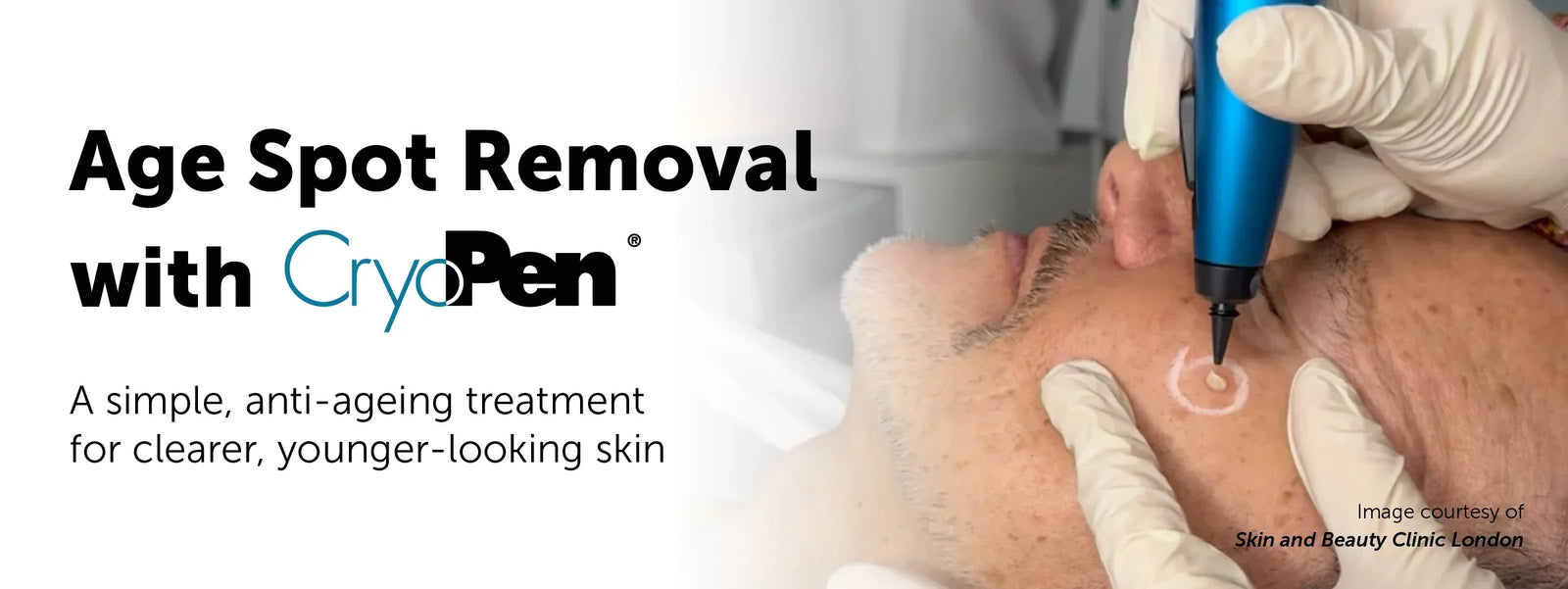
If your skin looks darker after a Cryotherapy treatment, it can be a normal part of the healing process. Post-treatment hyperpigmentation (darkening) is a recognised side effect of cryotherapy and, for many people, it gradually fades over time.
The key is protecting the area while it heals, especially from daylight and irritation.
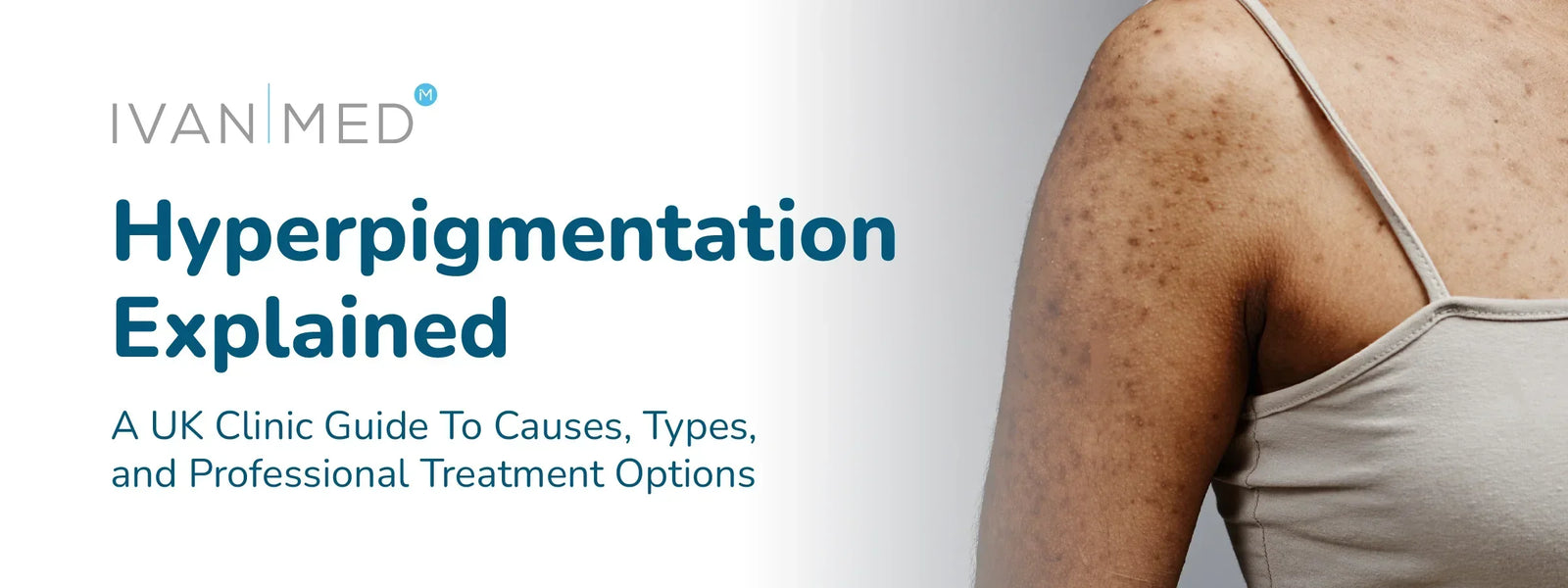
What Is Post Treatment Hyperpigmentation?
 Post treatment hyperpigmentation is a darker patch that can appear after the skin has been treated and begins repairing itself. After Cryotherapy treatment, the skin may go through redness, blistering or scabbing, and then a colour-change phase as it settles.
It is also possible to see the opposite effect (hypopigmentation), where the area looks lighter.
Can CryoPen Cause Hyperpigmentation?
Yes, pigment change (darker or lighter patches) can occur after cryotherapy. For many people it improves with time, but it can be longer lasting, particularly in higher pigment skin types.
The most helpful approach is to focus on excellent wound care early on and strict UV protection while the skin heals.
How Long Does Hyperpigmentation Last After Cryotherapy?
There are two timelines to consider:
1) Skin Healing Time
Healing time varies depending on the lesion type, the freeze time, and the body area. A treated site may take weeks to fully settle.
2) Pigment Settling Time
Pigment changes often take longer than wound healing. It may fade over a few months, and in some cases longer.
If you are worried the area is getting darker over time, or it feels out of proportion to what you were told to expect, book a review with your practitioner. A quick check can rule out delayed healing, irritation, or infection.
Why Does Skin Go Dark After Cryotherapy?
Hyperpigmentation is often linked to inflammation and the skin’s repair response. The risk can increase if the area is irritated (rubbing, picking, heat) or exposed to UV while it is healing.
Who Is More Likely To Get Hyperpigmentation?
 You may be at higher risk of hyperpigmentation if:
-
You have a darker skin tone (pigment-producing cells are more sensitive to cold injury)
-
The treated area is regularly exposed to daylight (face, neck, chest, hands)
-
The area is repeatedly irritated during healing (picking, friction, heat, soaking)
If you are Fitzpatrick IV to VI, your practitioner should discuss pigment risk before treatment, because pigment change can be more noticeable and may be longer lasting.
What To Do Now (Practical Aftercare Checklist)
 Use this as a simple guide, but always follow your clinic’s specific instructions.
1) Protect The Area While It Heals
-
Keep the area protected from friction and trauma
-
Do not pick or scratch the scab
-
Avoid heat and soaking the area early in healing
2) Keep It Clean And Manage Blisters Correctly
-
A blister can happen. If it pops, cleanse as advised and keep it protected
-
If the area is open, treat it like an open wound and keep it protected
3) Use Daily Broad-Spectrum SPF On Exposed Areas
If the treated area is exposed to daylight (especially face, neck, chest, hands), apply a broad-spectrum SPF every day while the skin heals. This helps reduce the chance of darker or lighter marks and supports a more even-looking result.
4) Book A Follow-Up If You Are Unsure
Follow-ups are useful to confirm healing and decide if further sessions are needed. If you are worried about pigmentation changes, a review appointment helps you get a personalised plan.
When To Contact Your Practitioner Or GP
Seek advice urgently if you notice:
-
Increasing redness, worsening pain, pus or excessive fluid (possible infection)
-
Bleeding that will not stop after sustained pressure
-
Fever that persists
-
Black edges around the injury or any rapidly worsening change
Practitioner Notes (For Clinics Using CryoPen Device)
Consultation And Risk Stratification
-
Set expectations early (and in writing). Advise that both hypopigmentation and hyperpigmentation can occur after cryotherapy, typically lasting a few months but sometimes longer.
-
Screen pigment risk properly. Discuss higher pigment-change risk in darker skin tones, where melanocytes can be more sensitive to cold injury and pigment change can be more noticeable and potentially longer lasting.
-
Confirm lesion suitability. Build a “do not treat” pathway for any lesion that is suspicious, changing, atypical, or outside scope. Formal lesion recognition and avoiding the wrong lesion are core safety outcomes for CryoPen practitioners.
-
Assess contributing risk factors that increase post-inflammatory pigment risk and complaints:
-
Fitzpatrick IV to VI
-
Prior history of post-inflammatory hyperpigmentation (PIH)
-
Sun exposure (hands/face/chest) and outdoor work
-
Recent irritation/inflammation in the area (eczema flare, acne lesions, picking)
-
Patient expectations: “no mark” requirement (help them choose the right option)
Documentation And Consent Standards
-
Photographic documentation: capture baseline and immediate post-treatment images (consistent lighting, distance, and angle) to support follow-up decision-making and patient reassurance.
-
Consent wording: include explicit mention of temporary or longer-lasting pigment change (both lighter and darker), blistering/scabbing, and healing timelines.
-
Aftercare handover: provide printed aftercare and confirm understanding (especially “do not pick” and SPF guidance on exposed areas).
Treatment Planning To Reduce Pigment Complaints
-
Treat the lesion, not the surrounding skin. Pigment complications are driven by inflammation and collateral injury, so precision and appropriate applicator choice matter.
-
Be conservative in high-risk patients and cosmetically sensitive areas.
-
Consider staged treatments (smaller freezes, planned review) rather than an aggressive single session where appropriate.
-
Schedule structured follow-up. A 2-week interval review is commonly used to observe results and plan further sessions if required.
Aftercare Protocol That Minimises PIH Risk
-
Wound-first mindset: if the treated area is open, manage it as an open wound to reduce infection and prolonged inflammation.
-
Blister management: blistering can occur; if it pops, cleanse and protect to support healing and reduce secondary irritation.
-
Strict “no picking” policy: picking prolongs inflammation and increases PIH risk.
-
UV control: reinforce daily SPF on exposed areas to reduce post-treatment marks (especially face/hands).
When To Escalate, Review, Or Refer
-
Same-week review if there are signs of infection (increasing inflammation, pus) or unexpected wound behaviour.
-
Review persistent pigment concerns once re-epithelialised and scab-free. Pigment changes can take months to settle, so document, reassure, and plan supportive skincare once fully healed.
-
Referral pathway: any diagnostic uncertainty, non-healing lesion, or red-flag features should be referred rather than retreated.
Recommended Homecare Products (Retail)
Important: For any CryoPen-treated area, keep activities off until the skin is fully healed and intact (no open wound/scab).
Cleanser
 Sensitive Cleansing Gel (Retail 210ml, also Trade 520ml, Refill Pouch 1000ml)
-
What it is: Cleansing face gel formulated for sensitive skin and the eye area, removes dirt/makeup and helps protect from environmental agents/air pollution
-
Treatment Area: Face
-
Skin Conditions: Dry/dehydrated, sensitive, oily, irritated skin
-
Active Ingredients: Olive Oil, Arginine, Osmopure, MMW Hyaluronic Acid
Toner
 AHA Preparation Lotion (Retail 210ml, Trade 520ml)
-
What it is: Face lotion with AHA that reduces acidity (pH balance) and enhances efficacy of cosmetic products, suitable for all skin types
-
Treatment Area: Face
-
Skin Conditions: Pigmentation; Dry skin/xerosis
-
Active Ingredients: Lactic Acid 3%, Glycolic Acid 2%, Peonia Flower Extract, Allantoin, Hamamelis Extract, Iramoist LGS, A-Bisabolol
Serum (Choose Based On Skin Type And Retinoid Tolerance)

-
What it is: Vitamin C and peony extract serum suitable for pigmentation problems and spots, offers brightness and even complexion
-
Treatment Area: Face
-
Skin Conditions: Pigmentation; dull skin
-
Active Ingredients: Vitamin C, A-Bisabolol, Aloe Vera, Peony Flower Extract, Phytic Acid
Retinoid 3% Serum (Retail 20ml, Trade 55ml)
-
What it is: Revitalising serum with enhanced retinoid content (3%) for all skin types, supports even tone and luminosity
-
Treatment Area: Face
-
Skin Conditions: Skin ageing; pigmentation; age spots; rough skin
-
Active Ingredients: Retinoids, Vitamin A (Retinyl Palmitate), Vitamin E, Soybean, Tocopherol, Vitamin C
Retinoid 10% Serum (10ml)
-
What it is: Revitalising serum with enhanced retinoid content (10%) for all skin types, supports even skin tone
-
Treatment Area: Face
-
Skin Conditions: Skin ageing; fine lines/wrinkles; acne; pigmentation
-
Active Ingredients: Retinoids, Vitamin E, Almond Oil
Practical Selection Guide (Retinoid sensitivity):
-
Retinoid-naive or sensitive: start with Glow C 12% first, then consider Retinoid 3% Serum slowly.
-
Retinoid-experienced: Retinoid 3% Serum may suit regular use; Retinoid 10% Serum is the stronger option and should be introduced cautiously.
Cream
 Retinoid C Cream (Retail 50ml, Refill Pod 50ml, Trade 280ml)
-
What it is: Revitalising antioxidant facial cream for all skin types, improves appearance of fine lines, discolouration and acne scars
-
Treatment Area: Face
-
Skin Conditions: Skin ageing; pigmentation; sagging skin; fine lines/wrinkles; oily skin
-
Active Ingredients: Retinoid 0.5%, 3-O-Ethyl Ascorbic Acid, MMW Hyaluronic Acid, Centella Extract, Vitamin E, Jojoba Oil, Apricot Oil, Shea Butter, Panthenol
Eye Cream
 Eye Shine Cream (Retail 20ml, Trade 150ml)
-
What it is: Multi-action cream for the eye area, moisturises, revitalises and brightens
-
Treatment Area: Face; peri-orbital
-
Skin Conditions: Fine lines/wrinkles; dark circles; puffy eyes
-
Active Ingredients: Vitamin E, 3-O-Ethyl Ascorbic Acid, AG Hesperidin, Aldavine, A2 Blockers, Matrixyl, Elderberry Flower Extract, Arginine
Mask
 White Argile Mask (Retail 50ml, Trade 280ml)
-
What it is: Cleansing mask with white clay for discolouration problems, helps remove excess sebum for even tone and glow
-
Treatment Area: Face
-
Skin Conditions: Pigmentation; sensitive; oily; acne-prone
-
Active Ingredients: White clay, Asyntra, Calmosensine, Panthenol, Aloe vera, A-Bisabolol, Allantoin
SPF (Choose Based On Finish Preference)
 Face Fluid SPF50 (Retail 50ml, Trade 150ml)
-
What it is: High protection face sunscreen fluid, light non-oily texture, colour free, water resistant, broad spectrum UVA/UVB plus IR, visible (HEV) and blue light
-
Treatment Area: Face
-
Skin Condition: Skin ageing
-
Active Ingredients: Celligent, Pentavitin, Venuceane, Vitamin E
Face Gel SPF30 (Sunfilm) (Retail 55ml, Trade 200ml)
-
What it is: High protection light-tinted sunscreen gel, non-oily, water resistant, broad spectrum UVA/UVB and IR
-
Treatment Area: Face
-
Skin Condition: Skin ageing
-
Active Ingredients: EUK-134, Venusian, Helioguard, Antaron, Panthenol, Aloe vera, Tinosorb S, Octocrylene, Octinoxate, Tinosorb M, Titanium Dioxide, Zinc Oxide
Conclusion
Post treatment hyperpigmentation after Cryotherapy can be a normal and temporary part of skin healing, but it does need the right support. The biggest difference makers are simple: avoid picking, reduce friction and heat early on, and use daily broad spectrum SPF on exposed areas while healing.
For clinics, the best outcomes come from clear pigment risk counselling, strong consent, conservative planning for higher risk skin types, and a structured follow up pathway. With the right expectations and the right aftercare, most patients feel reassured and supported, even if the colour takes time to settle.
If you are unsure about your healing or pigment change, book a review with a CryoPen trained practitioner.