The Benefits of Adding Chemical Peels into Your Microneedling Protocols
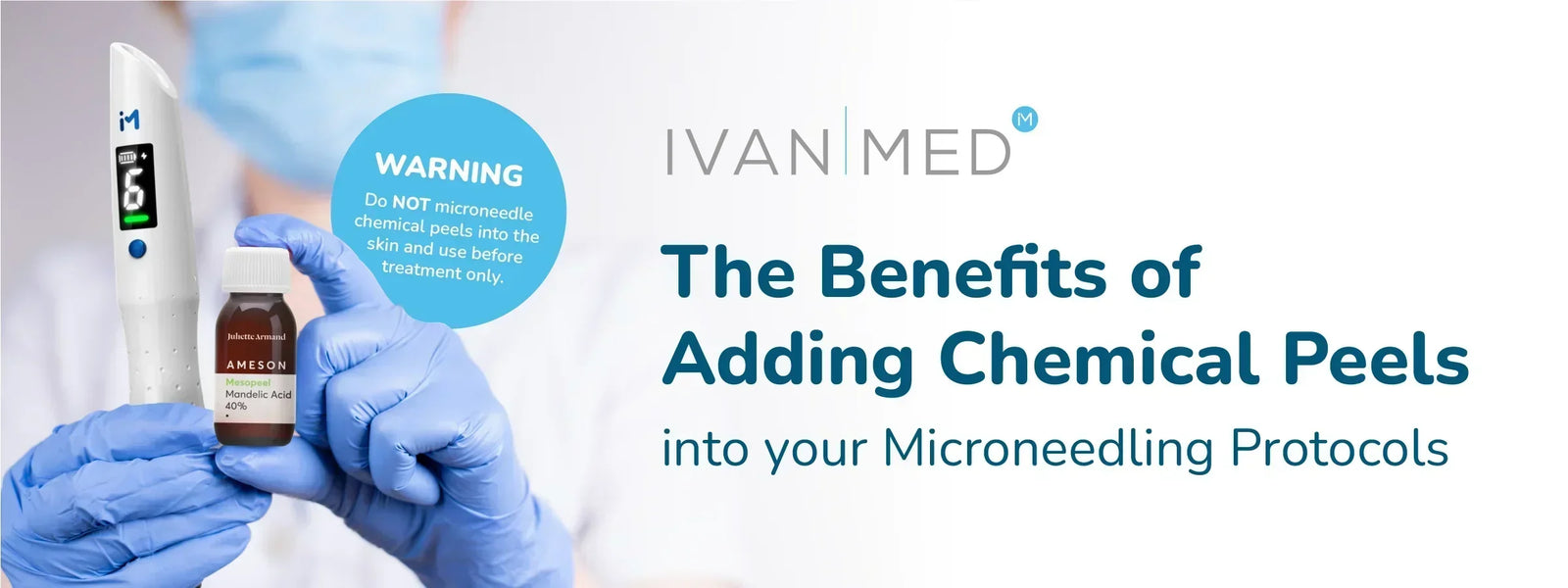

Modern aesthetic clinics increasingly combine chemical exfoliation and microneedling to enhance clinical outcomes. When performed correctly, this combination protocol can improve treatment efficiency, optimise ingredient penetration, and deliver more visible improvements in skin texture, pigmentation, and overall skin quality. And that is the benefits of adding chemical peels into your microneedling protocols.
For clinic professionals, understanding how and when to integrate chemical peels into microneedling protocols is essential. When applied strategically, peels can prepare the skin for microneedling, improve treatment consistency, and support better patient outcomes without significantly increasing downtime.
This article explores the clinical rationale, practical implementation strategies, and safety considerations for incorporating chemical peels into professional microneedling treatments.
Understanding Microneedling in Professional Skin Treatments
Microneedling is a collagen induction therapy (CIT) that works by creating controlled micro-injuries in the skin using fine needles. These microchannels stimulate the skin’s natural wound healing response, triggering processes such as fibroblast activation, collagen synthesis, and tissue regeneration.
Modern electronic microneedling systems can create thousands of controlled micro-punctures per second, stimulating collagen and elastin production while also forming temporary channels that allow topical ingredients to penetrate deeper into the skin.
The treatment is commonly used to address:
-
Fine lines and wrinkles
-
Uneven skin tone and pigmentation
-
Acne scarring and texture irregularities
-
Enlarged pores
-
Sun-damaged skin
-
Stretch marks and other skin concerns
Microneedling treatments typically trigger a multi-phase healing cascade, including inflammation, proliferation, and tissue remodelling phases that can continue for several weeks after treatment.
Because microneedling works through controlled skin injury and regeneration, the condition of the skin before treatment begins can significantly influence results. This is where chemical peels can play a valuable role.
Are you curious about Imedpen microneedling device? and download the brochure here.
Why Combine Chemical Peels with Microneedling?
 Chemical peels and microneedling address skin concerns through different but complementary mechanisms.
Chemical peels primarily work through controlled chemical exfoliation, removing accumulated dead skin cells and encouraging epidermal renewal. Microneedling, by contrast, primarily stimulates dermal regeneration and collagen production.
When used together in the correct sequence, these mechanisms can support a more effective treatment pathway.
Key benefits of combining the two include:
1. Improved Skin Preparation
One of the primary roles of a superficial chemical peel before microneedling is to remove excess sebum, debris, and dead keratinised cells from the skin surface.
This creates a cleaner treatment field, helping the microneedling device glide more effectively and allowing more consistent needle penetration.
Removing the outer barrier layer can also improve ingredient diffusion through the microchannels created during microneedling.
2. Enhanced Product Penetration
Microneedling creates thousands of temporary microchannels across the skin surface. These channels allow active ingredients to reach deeper skin layers before they naturally close within minutes.
When the skin surface has been exfoliated beforehand, ingredient penetration can be more efficient, allowing treatment serums or mesotherapy solutions to reach their target depth more easily.
3. More Even Microneedling Results
Uneven keratin build-up or excess oil can cause inconsistent device glide or uneven needle entry, especially on acne-prone or seborrhoeic skin.
A preparatory peel can help:
-
Smooth the skin surface
-
Reduce congestion
-
Improve glide during treatment
This can lead to more uniform micro-injury patterns, which supports better collagen induction outcomes.
4. Better Management of Pigmentation Concerns
Many clinics treat pigmentation, melasma, and post-inflammatory hyperpigmentation using microneedling protocols.
Superficial chemical peels can assist by:
-
Exfoliating pigmented keratinocytes
-
Supporting epidermal renewal
-
Improving treatment response over a course of sessions
Because microneedling itself can improve pigmentation irregularities through controlled regeneration, combining both approaches can create a multi-layered treatment strategy.
5. Supporting Acne and Congested Skin Protocols
Clients with acne-prone or oily skin often present with excess sebum, clogged follicles, and rough skin texture.
Certain chemical exfoliants can help regulate oil production and clear congestion before microneedling treatments. Professional protocols may include exfoliating systems designed to address acne symptoms and regulate sebum production while calming inflamed skin.
This helps prepare the skin for needling while also addressing one of the underlying causes of textural irregularities.
How to Safely Integrate Chemical Peels into Microneedling Protocols
 For clinic professionals, the key to combining these treatments safely lies in treatment depth, peel strength, and timing.
Microneedling protocols generally recommend performing non-microneedling treatments first, such as gentle peels, before starting the needling procedure.
A typical clinical workflow may look like this:
-
Cleanse and analyse the skin
-
Apply a superficial chemical peel
-
Neutralise and remove the peel
-
Disinfect the skin
-
Perform microneedling treatment
-
Apply post-procedure mask and calming products
-
Finish with SPF protection
Using this sequence ensures the peel prepares the skin rather than aggravating freshly needled tissue.
Product Recommendations for Clinics
When integrating chemical peels into microneedling protocols, it is important to follow a structured preparation and neutralisation process to ensure safe and consistent treatment outcomes.
The following products are commonly used together within professional protocols to prepare the skin, perform controlled exfoliation, and restore skin balance before proceeding with microneedling.
 Pro Peel Lotion (Skin Preparation)
Purpose: Prepares the skin before applying professional chemical peels.
When it is used: Applied before Mandelic Acid 40% or Azelaic 17% – Mandelic 17% peels.
Why it is used:
-
Lowers the skin’s pH level to prepare it for chemical exfoliation
-
Degreases the skin and removes surface residue
-
Ensures the peel penetrates evenly and performs as intended
By optimising the skin’s pH and cleansing the treatment surface, Pro Peel Lotion helps create a controlled and predictable peel application before microneedling protocols begin.

Azelaic 17% – Mandelic 17% (Professional Combination Peel)
Purpose: Provides gentle exfoliation with additional oil-regulating and calming benefits.
Best suited for:
-
First-time peel clients
-
Acne-prone or reactive skin
-
Clients prone to redness
Role in a microneedling protocol:
This combination peel provides mild resurfacing while helping regulate oil and calm inflammation, making it particularly useful for clients who may not tolerate stronger peels before microneedling.
Protocol position:
-
Apply Pro Peel Lotion to prepare the skin
-
Apply Azelaic 17% – Mandelic 17% peel
-
Neutralise with Post Peel Lotion before proceeding with microneedling

Mandelic Acid 40% (Professional Chemical Peel)
Purpose: Provides controlled exfoliation and skin renewal.
Best suited for:
-
Most skin types
-
Dull or uneven skin tone
-
Pigmentation concerns
-
Congested or thickened skin
Role in a microneedling protocol:
This peel helps remove dead skin cells and excess sebum, creating a cleaner and smoother treatment surface. Preparing the skin in this way allows microneedling devices to glide more easily and helps improve the consistency of treatment penetration.
Protocol position:
-
Apply Pro Peel Lotion to prepare the skin
-
Apply Mandelic Acid 40% peel for controlled exfoliation
-
Neutralise with Post Peel Lotion before continuing with microneedling

Post Peel Lotion (Neutralisation Step)
Purpose: Safely neutralises chemical peel activity after treatment.
When it is used: Applied after Mandelic Acid 40% or Azelaic 17% – Mandelic 17% peels.
Why it is used:
-
Rapidly raises the skin’s pH level
-
Stops the keratolytic action of the peel
-
Helps restore skin balance before moving into the microneedling phase
Neutralisation is a critical step that prevents over-exfoliation and ensures the skin is stable and prepared for the next stage of the treatment protocol.

Sensitivity Peeling (Elements Range) Alternative Option
Purpose: Provides a very mild exfoliation before microneedling.
Best suited for:
-
Very sensitive skin
-
First-time aesthetic clients
-
Clinics wanting a gentle exfoliation step before microneedling
Why it is different:
Sensitivity Peeling contains very low concentrations of exfoliating acids and is self-neutralising, meaning it does not require a separate neutralising solution.
Protocol position:
-
Applied before microneedling as a light exfoliation step
-
If needed, it can be rinsed off with water after approximately 7 minutes to fully neutralise the acids
This option allows clinics to prepare the skin with minimal irritation while still improving treatment penetration during microneedling.
Post-Treatment Considerations
Combining chemical exfoliation with microneedling requires careful aftercare protocols to protect the skin during recovery.
Following microneedling treatments, clients may experience:
-
Mild erythema
-
Minor swelling
-
Temporary dryness or flaking
These effects typically resolve within a few days as the skin heals.
During the recovery period, patients should avoid:
-
UV exposure
-
Intense exercise
-
Hot showers or saunas
-
Active resurfacing ingredients such as AHAs, BHAs, retinoids, or benzoyl peroxide.
Hydrating and soothing products can help support recovery. For example, post-treatment serums containing multi-weight hyaluronic acid can help restore hydration, support healing, and improve skin comfort following microneedling procedures. Check out Imedpen solutions to try our Triple-Weighted Hyaluronic Acid.
Safety and Clinical Considerations
Before performing any combined protocol, practitioners should conduct a full consultation and skin assessment.
Important considerations include:
-
Active infections or inflammatory skin conditions
-
Pregnancy
-
Certain medications or autoimmune conditions
-
Recent aesthetic procedures
Clients should also complete appropriate consultation documentation and informed consent forms prior to treatment to ensure safe clinical practice.
Additionally, practitioners should ensure that all microneedling treatments are performed in sterile environments using single-use needle cartridges and proper hygiene protocols to minimise infection risk.
Read more blogs on microneedling.
Conclusion
When used strategically, chemical peels can significantly enhance microneedling protocols by improving skin preparation, optimising ingredient penetration, and supporting more consistent treatment outcomes.
For clinic professionals, the key is choosing the right peel strength, selecting appropriate patients, and following a structured treatment workflow that prioritises safety and skin recovery.
By combining these two modalities thoughtfully, clinics can deliver more comprehensive skin rejuvenation treatments that address both epidermal and dermal concerns, ultimately improving patient satisfaction and long-term skin health.
FAQs
Can you perform a chemical peel before microneedling?
Yes. A superficial chemical peel can be performed before microneedling to remove dead skin cells and excess oil, creating a cleaner surface for treatment. This preparation can improve microneedling glide and enhance the penetration of active ingredients through the temporary microchannels created during the procedure.
Which chemical peel is best before microneedling?
Gentle or superficial peels are typically best before microneedling. Options such as mandelic acid or azelaic-based peels are commonly used because they exfoliate gradually and are suitable for many skin types, including sensitive or first-time peel patients.
Does combining chemical peels with microneedling improve results?
Yes. Chemical peels improve epidermal renewal, while microneedling stimulates collagen production in the dermis. Combining the two treatments can improve skin texture, pigmentation, and overall treatment efficiency when performed in the correct sequence.
Can you perform a chemical peel after microneedling?
No, it is generally not recommended immediately after microneedling. The skin barrier is temporarily disrupted, so the focus should be on soothing, hydrating, and protecting the skin while it heals. Active resurfacing ingredients should be avoided during early recovery.
Who should avoid chemical peel and microneedling combination treatments?
Clients with active infections, open wounds, severe inflammatory acne, pregnancy, or certain medical conditions should avoid combined treatments. A full consultation and skin assessment should always be completed before treatment.